

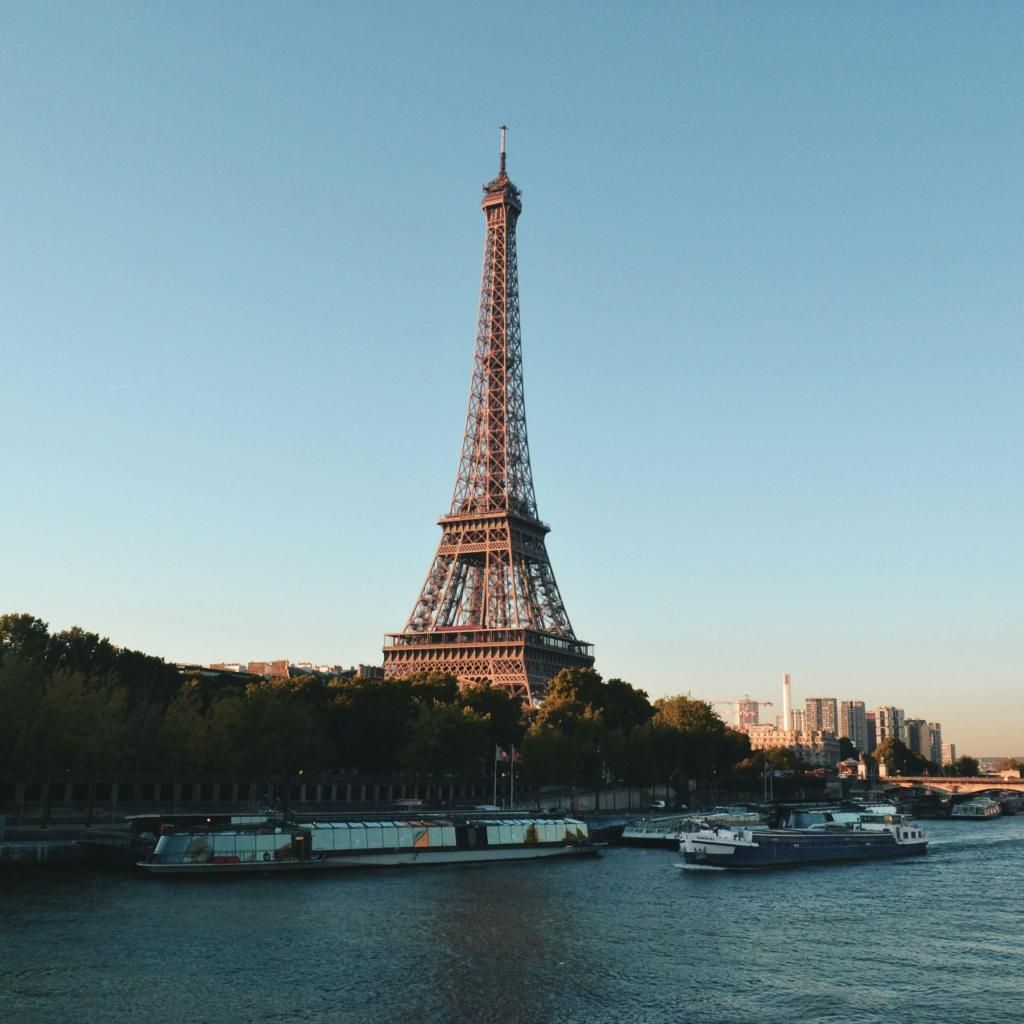
The Eiffel Tower: History and Unique Experiences
Standing tall over Paris for more than 130 years, the Eiffel Tower is much more than a steel structure. It embodies innovation, national pride, and universal wonder. Originally designed as a temporary technical feat, it has become one of the world's most iconic attractions. From its bold conception to its global reputation, the “Iron Lady” weaves a fascinating story that bridges generations, celebrates human creativity, and captures the soul of Paris.
THE ORIGINS OF
a monumental ambition
HISTORICAL CONTEXT
The idea for the Eiffel Tower emerged during a time of unprecedented technological advancements and industrial prosperity. In 1889, Paris hosted the World’s Fair, an event celebrating the centennial of the French Revolution. The occasion offered France a chance to showcase its ingenuity and cultural influence. A competition was launched to design an exceptional monument symbolizing this era of progress.
Gustave Eiffel, a visionary engineer and entrepreneur renowned for his bridges and metal structures, won with his proposal for a 300-meter iron tower on the Champ-de-Mars. Bold and innovative, the project sparked mixed reactions: some admired its technological brilliance, while others condemned it as an architectural monstrosity.
CONSTRUCTION : AN ENGINEERING MARVEL
Starting in January 1887, building the Eiffel Tower was a true technical feat. Over 300 skilled workers assembled 18,038 prefabricated iron pieces in Eiffel’s workshops, using 2.5 million rivets. This modular approach ensured an unprecedented level of precision.
Beyond technical challenges, the project faced fierce opposition from artists and intellectuals, who famously signed a petition denouncing the tower as a “colossal eyesore.” Gustave Eiffel fervently defended his creation, declaring it a lasting symbol of French engineering. In March 1889, after just over two years of construction, the tower was completed, heralding a triumph of modernity and innovation.
THE EVOLUTION OF A EIFFEL TOWER
Challenges and Revivals
EARLY SUCCESSES AND PRESERVATION EFFORTS
From its inauguration on March 31, 1889, the Eiffel Tower captivated the public. During the World’s Fair, it attracted nearly two million visitors in just a few months, solidifying its status as a technical marvel. Standing 324 meters tall, it dwarfed all existing structures, redefining architectural limits.
However, its future was uncertain. Initially planned for dismantling after 20 years, the tower was saved by its scientific and military utility. Gustave Eiffel advocated its use for telecommunications and meteorology. By 1910, a new agreement ensured its permanence in Paris’ skyline.
A CRUCIAL ROLE IN WARTIME
During World War I, the Eiffel Tower played a pivotal role in radio communication. Antennas installed at its summit allowed French forces to transmit messages over long distances, proving vital for military operations. Notably, a German transmission intercepted through the tower contributed to victory at the Battle of the Marne in 1914.
In World War II, the Eiffel Tower became a silent symbol of resistance. Parisians sabotaged the elevators to hinder German troops, forcing them to climb its 1,665 steps to the top. This act, though symbolic, epitomized the spirit of defiance during the occupation. Today, these moments cement the Eiffel Tower’s legacy as a witness to France’s resilience and triumph.
ASCENDING TO CULTURAL PRESTIGE : FROM FILM TO LITERATURE
By the 1920s, the Eiffel Tower established itself as a cultural and tourist icon. Artists like Marc Chagall and Robert Delaunay immortalized it in their works, enhancing its universal allure. The tower’s cinematic fame skyrocketed with films like Paris, Je T’aime and Woody Allen’s Midnight in Paris, capturing its romantic and timeless essence. Hollywood blockbusters such as Mission: Impossible – Fallout and Inception also embraced its charm.
In literature, the Eiffel Tower is the backdrop for tales like Lauren Weisberger’s The Devil Wears Prada, where it symbolizes elegance and prestige. Jules Verne imagined it as a centerpiece of revolutionary technology, while Guillaume Apollinaire celebrated it as a beacon of modernity in his poem “Zone.” Across genres, the Eiffel Tower remains an eternal muse for artists worldwide.
THE EIFFEL TOWER TODAY
A cultural and touristic beacon
EXCEPTIONAL DINING: MADAME BRASSERIE AND LE JULES VERNE
No trip to the Eiffel Tower is complete without dining at its iconic restaurants. On the first floor,Madame Brasserie offers a culinary experience blending tradition and modernity. Under the guidance of Chef Thierry Marx, the menu features refined, sustainable cuisine emphasizing seasonal and local ingredients. The brasserie’s warm ambiance pairs beautifully with breathtaking views of Paris.
For haute cuisine enthusiasts, Le Jules Verneon the second floor delivers an extraordinary gastronomic adventure. Led by Michelin-starred chefs, the restaurant’s sophisticated dishes and panoramic views create an unforgettable setting for a special evening.
ACTIVITIES FOR ALL AGES
The Eiffel Tower provides a wealth of activities for visitors of all ages. Families can enjoy interactive guided tours designed to captivate children’s imaginations while enriching their historical knowledge. These tours, filled with games and puzzles, transform the visit into an educational and entertaining adventure.
Observation decks on different levels offer spectacular views of Paris. Telescopes on these platforms provide unique perspectives on landmarks like Notre-Dame, Sacré-Cœur, and Les Invalides.
WORKSHOPS AND SPECIAL EVENTS
The Eiffel Tower regularly hosts themed workshops and events such as the “Eiffel Tower Effect.”These activities explore various aspects of the tower, including its history, architecture, and environmental impact. Popular among children, workshops like model-building or storytelling sessions inspired by the Eiffel Tower offer a blend of fun and learning.
The Eiffel Tower, a timeless icon, invites us to dream, explore, and celebrate the beauty of human creation. Beyond being a monument, it serves as a maternal figure for Paris, gracefully watching over its inhabitants.
Discover the legacy of Gustave Eiffel’s genius at Hotel Vernet, a five-star hotel near the Champs-Élysées. Under its majestic glass dome, designed by Eiffel himself, an intimate dialogue unfolds between two architectural masterpieces. While the Eiffel Tower dominates Paris with its grandeur, the Vernet’s dome offers a more personal experience of contemplation and refinement. Staying at Hotel Vernet celebrates a way of life where every detail tells a story, deeply connected to Eiffel’s visionary heritage.